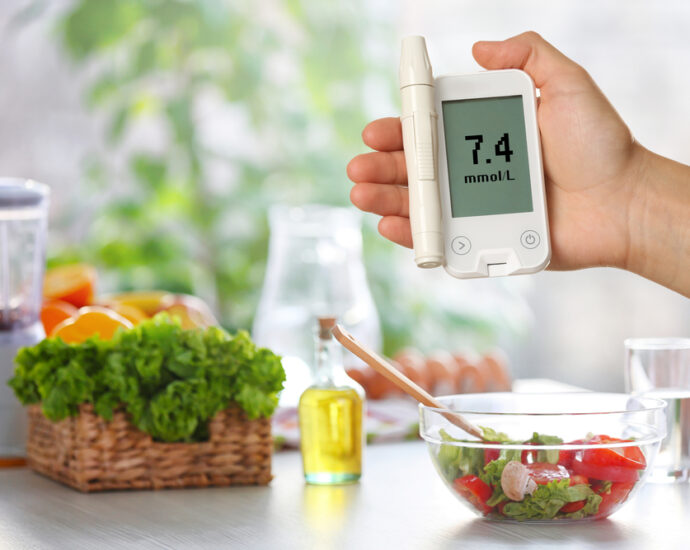
Diabetes mellitus is a chronic condition characterized by elevated levels of glucose in the blood, which can lead to serious health complications if not managed effectively. It primarily manifests in two forms: type 1 diabetes, where the body fails to produce insulin, and type 2 diabetes, where the body cannot use insulin effectively. With a global prevalence that has been rapidly increasing, diabetes is now one of the top causes of mortality worldwide, underscoring the need for effective management strategies.
Page Contents
The Limitations of Drug-Based Treatments
While medications are a cornerstone of diabetes management, they are not without limitations. Drug-based treatments can be associated with side effects, financial burdens, and the potential for non-adherence. Moreover, they often require lifelong commitment and may not address the underlying lifestyle factors contributing to the disease. These limitations highlight the importance of exploring alternative management strategies that can complement or, in some cases, substitute pharmacological interventions.
The Appeal of Natural Management Strategies
Natural management strategies for diabetes are gaining traction due to their holistic approach, which focuses on lifestyle modifications such as diet, exercise, and stress management. These strategies empower individuals to take control of their health by making sustainable changes that can improve blood glucose control, reduce the risk of complications, and enhance overall well-being. Additionally, natural management can be more cost-effective and accessible, making it an appealing option for many.
Objective of the Article
The objective of this article is to explore effective strategies for managing diabetes naturally, without relying solely on drugs. We will delve into dietary adjustments, physical activity, herbal remedies, stress management techniques, and the importance of monitoring blood sugar levels. By embracing a holistic approach and understanding the power of nature in managing diabetes, individuals can take proactive steps towards a healthier, more balanced life, potentially reducing their reliance on medication.
Dietary Adjustments for Managing Diabetes
The Role of Carbohydrates
Carbohydrates play a pivotal role in managing diabetes, as they have a direct impact on blood sugar levels. The body breaks down carbohydrates into glucose, which enters the bloodstream and raises blood sugar levels. For individuals with diabetes, it is essential to understand not just the quantity but also the quality of carbohydrates consumed. Foods with a low glycemic index (GI) are preferable as they cause a slower, more gradual rise in blood sugar levels. Whole grains, legumes, and vegetables are examples of nutrient-dense sources of carbohydrates that are beneficial for blood sugar management.
Importance of Fiber
Dietary fiber, particularly soluble fiber, is crucial for diabetes management. It slows the absorption of sugar, helping to improve blood sugar levels. A high-fiber diet can also aid in weight management, a key aspect of diabetes control. Foods rich in fiber include fruits, vegetables, whole grains, and legumes. Incorporating these foods into meals can help maintain a steady blood glucose level and reduce the risk of diabetes-related complications.
Balancing Proteins and Fats
Proteins and fats have minimal direct impact on blood glucose but are essential for satiety and maintaining muscle mass. The key is to choose lean proteins such as fish, poultry, and plant-based options, and healthy fats found in nuts, seeds, avocados, and olive oil. Balancing macronutrients at each meal can help stabilize blood sugar levels and support overall health.
Identifying Natural Sweeteners
Managing diabetes doesn’t mean one has to forgo all sweet flavors. Natural sweeteners like stevia, monk fruit, and erythritol do not raise blood sugar levels like regular sugar. However, it’s important to use these sweeteners judiciously and remain mindful of their effects on your overall diet and health.
Meal Planning and Preparation Tips
Consistent meal planning is a cornerstone of effective diabetes management. Preparing balanced meals with appropriate portions of carbohydrates, proteins, and fats can help maintain blood sugar control. Here are some tips for meal planning and preparation:
- Plan your meals ahead of time to ensure a balanced intake of nutrients.
- Use meal prep days to prepare and portion out meals for the week.
- Always include a variety of vegetables to increase fiber intake.
- Choose whole-grain carbohydrates over refined grains to help manage blood sugar levels.
- Monitor portion sizes to avoid overeating, which can lead to blood sugar spikes.
By incorporating these dietary adjustments, individuals with diabetes can harness the power of nutrition to manage their condition effectively, potentially reducing the need for medication.
Physical Activity and Diabetes Control
Types of Exercise Beneficial for Diabetics
Physical activity is a cornerstone of diabetes management and can have profound effects on blood sugar control. For individuals with diabetes, certain types of exercise are particularly beneficial:
- Aerobic Exercise: Activities like walking, swimming, cycling, and dancing increase heart rate and breathing, improving cardiovascular fitness and insulin sensitivity.
- Resistance Training: Weight lifting or bodyweight exercises help build muscle mass, which can increase glucose uptake and improve blood sugar levels.
- Flexibility and Balance: Yoga and stretching enhance flexibility, reduce stress, and may contribute to better glycemic control.
Developing a Sustainable Exercise Routine
Creating an exercise routine that is sustainable and enjoyable is key to long-term success. Here are some tips:
- Start slowly and gradually increase intensity and duration.
- Choose activities you enjoy to ensure consistency.
- Set realistic goals and track your progress.
- Incorporate variety to prevent boredom and target different muscle groups.
- Seek support from friends, family, or exercise groups to stay motivated.
The Impact of Physical Activity on Blood Sugar Levels
Engaging in regular physical activity can significantly impact blood sugar levels by:
- Improving the body’s sensitivity to insulin, allowing for more efficient glucose uptake.
- Helping to lower blood sugar levels during and after exercise.
- Assisting in maintaining a healthy weight, which can improve overall diabetes management.
It’s important to monitor blood sugar levels before, during, and after exercise to understand how different activities affect you personally.
Exercise Precautions for Diabetics
While exercise is beneficial, certain precautions should be taken:
- Consult with a healthcare provider before starting any new exercise program.
- Check blood sugar levels before and after exercise to prevent hypoglycemia or hyperglycemia.
- Stay hydrated and be aware of the signs of dehydration.
- Wear appropriate footwear and inspect feet regularly to avoid injuries.
- Carry a source of fast-acting carbohydrates in case of low blood sugar.
Remember: Individual responses to exercise can vary, so it’s essential to tailor your physical activity plan to your specific needs and abilities.
The Power of Herbal Remedies
Common Herbs and Their Effects on Blood Sugar
Herbal remedies have been used for centuries to manage various health conditions, including diabetes. These natural treatments offer a complementary approach to traditional medicine, often with fewer side effects. Several herbs are known for their potential to help regulate blood sugar levels:
- Gymnema Sylvestre: Often referred to as the “sugar destroyer,” it is believed to reduce sugar absorption in the intestines and improve insulin function.
- Cinnamon: Commonly used as a spice, cinnamon may enhance insulin sensitivity and lower blood sugar levels.
- Fenugreek: High in soluble fiber, fenugreek seeds can help control blood sugar by slowing down digestion and carbohydrate absorption.
- Bitter Melon: Resembles a cucumber with a warty gourd; bitter melon is thought to contain insulin-like compounds that can lower blood glucose.
- Berberine: Found in several plants like Goldenseal, berberine may improve insulin sensitivity and enhance glucose uptake by cells.
Incorporating Herbs into Daily Life
Integrating herbal remedies into daily life can be a practical way to manage diabetes naturally. Here are some suggestions:
- Include cinnamon in your diet by adding it to oatmeal, smoothies, or yogurt.
- Prepare fenugreek water by soaking the seeds overnight and drinking the water in the morning.
- Consume bitter melon as a cooked vegetable or in juice form.
- Take berberine supplements as directed by a healthcare professional.
- Use Gymnema Sylvestre supplements or tea, ensuring proper dosage under guidance.
It’s important to note that while these herbs can be beneficial, they should complement, not replace, conventional diabetes treatments.
Understanding the Limitations and Risks
While herbal remedies can be effective, they are not without limitations and potential risks:
- Interactions with Medications: Some herbs can interact with prescription diabetes medications, potentially leading to hypoglycemia or other complications.
- Quality and Purity: The herbal supplement industry is not strictly regulated, which can lead to variability in the quality and purity of products.
- Limited Research: Although many herbs have been traditionally used to manage blood sugar, scientific evidence supporting their efficacy and safety is still evolving.
- Side Effects: Some individuals may experience side effects or allergic reactions to certain herbs.
For these reasons, it is crucial to consult with healthcare providers before starting any herbal regimen, especially for individuals with diabetes. Monitoring blood sugar levels regularly and communicating with a diabetes care team can help ensure safe and effective use of herbal remedies.
Stress Management Techniques
The Connection Between Stress and Blood Sugar
Stress is a well-known culprit in the management of diabetes, as it can significantly affect blood sugar levels. When stressed, the body releases hormones such as adrenaline and cortisol, which can cause blood sugar levels to rise. For individuals with diabetes, this stress response does not get counteracted by insulin as effectively, leading to prolonged periods of high blood sugar. Therefore, managing stress is a crucial component of diabetes care.
Mindfulness and Meditation
Mindfulness and meditation are powerful tools for reducing stress and improving blood sugar control. These practices involve focusing on the present moment and becoming aware of your thoughts and feelings without judgment. Regular meditation can lower stress hormone levels, reduce blood pressure, and enhance insulin sensitivity. Starting with just a few minutes a day can make a difference in managing stress and potentially improving diabetes outcomes.
Breathing Exercises and Yoga
Breathing exercises are a simple yet effective way to alleviate stress. Techniques such as diaphragmatic breathing, where you focus on deep, even breaths, can activate the body’s relaxation response. Yoga, which often incorporates breath control, can also be beneficial for those with diabetes. It combines physical postures, breathing exercises, and meditation to promote relaxation and stress reduction. Yoga has been shown to improve blood sugar levels, lipid profiles, and body composition, making it a valuable practice for diabetes management.
The Role of Adequate Sleep
Adequate sleep is essential for overall health and is particularly important for individuals with diabetes. Lack of sleep can increase stress and inflammation, leading to higher blood sugar levels and decreased insulin sensitivity. Adults should aim for 7-9 hours of quality sleep per night. Establishing a regular sleep schedule, creating a restful environment, and avoiding caffeine and electronics before bedtime can help improve sleep quality. By prioritizing good sleep hygiene, individuals with diabetes can better manage their condition and reduce stress.
In conclusion, incorporating stress management techniques such as mindfulness, meditation, breathing exercises, yoga, and ensuring adequate sleep can play a significant role in naturally managing diabetes. These strategies not only help in controlling blood sugar levels but also contribute to a better quality of life.
Monitoring and Understanding Blood Sugar Levels
Tools for Tracking Blood Sugar
Effective diabetes management hinges on the ability to monitor blood sugar levels accurately. There are several tools available for this purpose:
- Traditional Blood Glucose Meters: These devices require a small blood sample, usually from a fingertip prick, to measure blood sugar levels at a specific moment in time.
- Continuous Glucose Monitors (CGMs): CGMs provide real-time, dynamic glucose information by measuring glucose in the interstitial fluid under the skin, offering insights into glucose trends throughout the day and night.
- Flash Glucose Monitoring: Similar to CGMs, flash monitors allow users to check glucose levels at any time with a simple scan, without the need for finger-prick calibration.
Choosing the right tool depends on individual needs, lifestyle, and the specific recommendations of healthcare providers.
Interpreting Blood Sugar Patterns
Understanding the patterns in blood sugar levels is crucial for managing diabetes effectively. Here are key patterns to look for:
- Postprandial Glucose Responses: Observing how blood sugar levels change after meals can help identify foods that cause spikes and adjust the diet accordingly.
- Diurnal Variation: Blood sugar levels can fluctuate based on the time of day; recognizing these patterns can inform the timing of meals and medications.
- Impact of Physical Activity: Exercise affects glucose levels, and monitoring these changes can aid in planning physical activities to optimize blood sugar control.
Regularly reviewing these patterns with a healthcare professional can lead to personalized adjustments in the diabetes management plan.
Adjusting Lifestyle Based on Readings
Interpreting glucose data is only the first step; the next is to use this information to make informed lifestyle changes:
- Dietary Modifications: If certain foods consistently lead to high blood sugar levels, it may be necessary to limit or replace them with healthier alternatives.
- Exercise Adjustments: Understanding how different types of physical activity influence glucose levels can help tailor exercise routines for better blood sugar management.
- Medication Timing: For those on insulin or other glucose-lowering medications, adjusting the timing or dosage in response to glucose readings can improve overall control.
It’s important to make these adjustments under the guidance of a healthcare provider to ensure safety and effectiveness.
By harnessing the power of glucose monitoring tools, interpreting the data to understand individual patterns, and making informed lifestyle adjustments, individuals with diabetes can manage their condition more effectively without relying solely on medication. This holistic approach empowers patients to take control of their health and work towards better outcomes.
Conclusion: Embracing a Holistic Approach
Summarizing Key Strategies
In our journey through the natural management of diabetes, we have explored a variety of strategies that harness the inherent power of nature. Dietary adjustments, such as mindful carbohydrate consumption, increased fiber intake, and the balance of proteins and fats, form the cornerstone of managing diabetes effectively. Physical activity emerges as a powerful ally, improving insulin sensitivity and aiding in blood sugar regulation. Herbal remedies offer a treasure trove of benefits, with common herbs like cinnamon and fenugreek playing a role in glucose control. Stress management techniques, including mindfulness and adequate sleep, are crucial for maintaining hormonal balance and supporting metabolic health. Finally, the diligent monitoring of blood sugar levels provides the feedback necessary to tailor these natural strategies to individual needs.
The Importance of Personal Commitment
While the strategies outlined are potent, their success hinges on personal commitment. Embracing lifestyle changes and integrating them into daily life requires dedication and perseverance. It is a proactive journey where the individual takes charge of their health, making informed choices and adjustments that resonate with their body’s unique responses.
Continued Learning and Adaptation
Diabetes management is not a static process but one of continued learning and adaptation. As new research emerges and our understanding of the disease evolves, so too must our strategies for managing it. Staying informed about the latest findings and being open to adjusting one’s approach is essential for optimal control of diabetes.
Encouragement for a Drug-Free Journey
For those seeking to manage diabetes without the reliance on drugs, the natural route offers a promising path. It is a journey that empowers individuals to take control of their health through the power of informed choices, lifestyle changes, and natural remedies. While it may require more personal involvement and commitment, the rewards of a drug-free approach—improved health, reduced risk of complications, and a greater sense of well-being—are well worth the effort.
In conclusion, managing diabetes naturally is a holistic endeavor that encompasses diet, exercise, stress reduction, and blood sugar monitoring. It is a path marked by personal commitment, continuous learning, and the willingness to adapt. By embracing this holistic approach, individuals with diabetes can lead a healthy, balanced life, minimizing the need for pharmaceutical intervention. Let this be an encouragement for those embarking on or continuing their drug-free journey with diabetes.
READ MORE: Healthy Lifestyle Can Help Prevent Diabetes
Sources:
https://www.aarp.org/health/conditions-treatments/easy-ways-to-lower-blood-sugar/
https://www.mayoclinic.org/diseases-conditions/diabetes/in-depth/diabetes-management/art-20047963
