Page Contents
The Rise of Superfoods in Modern Diets
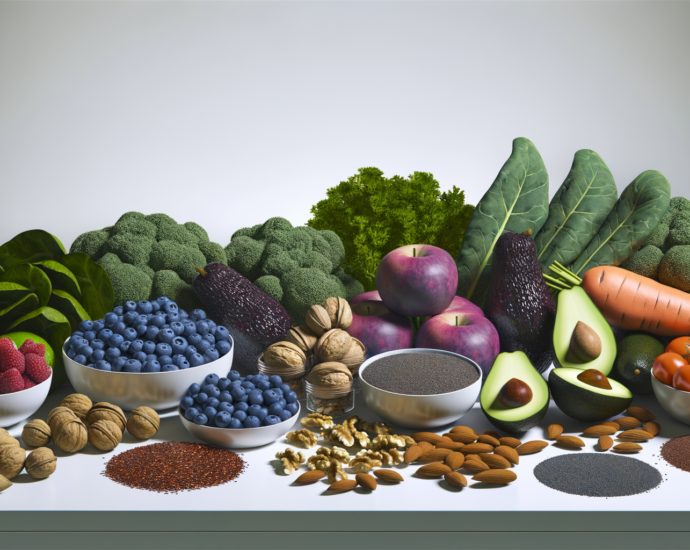
In recent times, the term superfoods has become a buzzword in the realm of health and nutrition. These are not just ordinary foods; they are celebrated for their high levels of vitamins, minerals, antioxidants, and other essential nutrients. The surge in popularity of superfoods is a testament to a growing collective awareness about the importance of healthy eating habits. As modern research sheds light on their potential health benefits, more individuals are weaving these nutrient-dense foods into their daily diets, seeking to enhance their health and vitality.
Understanding the Concept of Superfoods
Superfoods are often described as nutritional powerhouses. They are foods that offer maximum nutritional benefits for minimal calories, loaded with vitamins, minerals, antioxidants, and fiber. While there is no official scientific definition, superfoods are generally recognized for their high nutrient density relative to their calorie content. They are the all-stars of the dietary world, contributing to enhanced health and well-being when incorporated into a balanced diet.
The Intersection of Health, Wellness, and Nutrition
The concept of superfoods lies at the crossroads of health, wellness, and nutrition. Regular consumption of these foods can contribute to weight management, reduced risk of chronic diseases, and improved overall vitality. However, it’s important to remember that no single food holds the key to good health. Superfoods work best in synergy with a varied diet, underscoring the importance of a holistic approach to eating that includes a wide range of nutrient-dense foods.
How to Integrate Superfoods into Your Lifestyle
Integrating superfoods into your lifestyle doesn’t have to be daunting. Many of these foods are easily accessible and can be simply included in everyday meals. From leafy greens like spinach to berries brimming with antioxidants, or omega-3 rich fatty fish such as salmon, superfoods span across various food groups. They can be incorporated into meals and snacks in a myriad of ways—blended into smoothies, tossed into salads, or even as a nutritious garnish. The key is to start small, experiment with new recipes, and enjoy the process of enriching your diet with these vibrant and healthful foods.
Nutritional Powerhouses: Defining Superfoods
Criteria for a Food to Be Considered ‘Super’
While the term “superfood” is not officially recognized in the nutritional sciences, it is widely used to describe foods that offer significant health benefits. These foods are typically rich in antioxidants, vitamins, and minerals, and are considered especially beneficial for health and well-being. To earn the title of a superfood, a food must be:
- Nutrient-dense: Packed with essential nutrients while being relatively low in calories.
- Rich in antioxidants: Containing compounds that help fight oxidative stress and may reduce the risk of chronic diseases.
- Beneficial for health: Associated with positive health outcomes such as heart health, cancer prevention, and reduced inflammation.
The Science Behind Superfoods and Their Benefits
The allure of superfoods lies in their high concentrations of beneficial nutrients. These include antioxidants like flavonoids and carotenoids, healthy fats such as omega-3 fatty acids, and fibers that support digestive health. The science behind superfoods suggests that these nutrients can synergistically contribute to better health outcomes. For instance, the antioxidants found in berries may lower the risk of heart disease, while the omega-3 fatty acids in fatty fish like salmon are known for their anti-inflammatory properties and benefits to cardiovascular health.
Common Misconceptions About Superfoods
Despite their popularity, there are several misconceptions about superfoods that need to be addressed:
- No single food is a silver bullet: It’s important to understand that no one food can provide all the nutrition one needs for good health. A balanced diet is far more crucial than any individual superfood.
- Superfoods are not a substitute for a varied diet: While superfoods can complement a healthy diet, they should not replace other nutrient-rich foods that are also important for maintaining health.
- Organic and exotic aren’t always better: The term “superfood” is often associated with exotic and organic foods, but many readily available and non-organic foods can also be considered superfoods due to their nutrient profile.
In conclusion, while superfoods can be a valuable addition to a healthy diet, they should be integrated as part of a diverse and balanced nutritional plan. Understanding the science behind their benefits and avoiding common pitfalls can help individuals make informed choices about incorporating these nutritional powerhouses into their diets.
Top Superfoods to Enhance Your Health
Leafy Greens: Kale, Spinach, and Swiss Chard
Leafy greens like kale, spinach, and Swiss chard are nutritional powerhouses packed with vitamins, minerals, and fiber. These greens are rich in vitamin K, which is essential for blood clotting and bone health. They also contain antioxidants such as lutein and beta-carotene, which protect against oxidative stress and may reduce the risk of chronic diseases. Integrating these greens into your diet can be as simple as adding them to smoothies, salads, or sautéing them as a side dish.
Berries: Blueberries, Strawberries, and Acai Berries
Berries are not only delicious but also incredibly nutritious. Blueberries, strawberries, and acai berries are loaded with antioxidants, particularly anthocyanins, which give them their vibrant colors. These antioxidants help combat inflammation and may improve brain function. Incorporate berries into your diet by enjoying them fresh, adding them to yogurt, or blending them into a refreshing smoothie.
Seeds and Nuts: Chia Seeds, Flaxseeds, and Almonds
Seeds and nuts are excellent sources of healthy fats, protein, and fiber. Chia seeds and flaxseeds are high in omega-3 fatty acids, which are beneficial for heart and brain health. Almonds are a good source of vitamin E, which may help prevent cognitive decline. Enjoy these by sprinkling them on salads, mixing them into oatmeal, or simply snacking on them throughout the day.
Ancient Grains: Quinoa, Oats, and Barley
Ancient grains such as quinoa, oats, and barley offer a wealth of health benefits. They are high in fiber, which can aid digestion and help maintain a healthy weight. Quinoa is a complete protein, containing all nine essential amino acids, while oats are known for their cholesterol-lowering properties. Barley is rich in beta-glucans, which may boost heart health. Incorporate these grains into your meals by using them as a base for bowls, soups, or as a hearty breakfast option.
Fatty Fish: Salmon, Mackerel, and Sardines
Fatty fish like salmon, mackerel, and sardines are rich in omega-3 fatty acids, particularly EPA and DHA, which are crucial for maintaining brain health. These fish also provide vitamin D and selenium, which support overall health. Aim to include fatty fish in your diet at least twice a week, either grilled, baked, or even canned for convenience.
By making these superfoods a regular part of your diet, you can unlock their power to boost your health and enhance your well-being.
Incorporating Superfoods into Your Daily Routine
Simple and Delicious Superfood Recipes
Integrating superfoods into your meals doesn’t have to be a chore or involve complicated recipes. Start with something as simple as adding chia seeds to your morning yogurt or oats for a fiber and omega-3 boost. For lunch, a quinoa salad with a variety of colorful veggies and a lemon-tahini dressing can provide a tasty and nutritious option. Dinner could be a piece of grilled salmon with a side of steamed kale or Swiss chard, drizzled with olive oil and a squeeze of lemon. These simple additions or substitutions can significantly enhance the nutritional value of your meals.
Meal Planning with Superfoods
Meal planning is a strategic approach to ensure you’re incorporating a variety of superfoods into your diet. Start by creating a weekly menu that includes superfoods in each meal. For example, plan to have blueberry and spinach smoothies for breakfast, salads topped with nuts and seeds for lunch, and dinners featuring fatty fish or ancient grains. By planning ahead, you can make grocery shopping more efficient and reduce the temptation to opt for less healthy options.
Superfoods for Snacking and Energy Boosts
Snacking on superfoods can provide energy boosts throughout the day and prevent overeating at meal times. Keep a stash of almonds, walnuts, or pumpkin seeds for a quick snack, or prepare energy balls made with dates, oats, and flaxseeds. Fresh berries or sliced avocado on whole-grain toast are also excellent snacks that combine convenience with nutrition.
Superfood Smoothies and Juices
Smoothies and juices are an excellent way to consume a concentrated amount of superfoods in a delicious and digestible form. Try blending a mix of kale, banana, chia seeds, and almond milk for a green smoothie, or acai berries, strawberries, and coconut water for an antioxidant-rich juice. These beverages can serve as a meal replacement or a refreshing post-workout drink.
By incorporating superfoods into your daily routine, you can enjoy the benefits of increased energy, improved health, and a more balanced diet. With a little creativity and planning, superfoods can easily become a regular part of your meals and snacks, leading to a healthier and more vibrant lifestyle.
The Role of Superfoods in Disease Prevention
Heart Health and Cholesterol Management
Superfoods play a pivotal role in promoting heart health and managing cholesterol levels. Foods rich in omega-3 fatty acids, such as salmon, mackerel, and sardines, are known to reduce inflammation and lower the risk of heart disease. Additionally, nuts like almonds and seeds such as chia and flaxseeds are high in fiber and healthy fats, which can help decrease bad cholesterol (LDL) and increase good cholesterol (HDL). Berries, particularly blueberries and strawberries, are loaded with antioxidants and flavonoids that support heart health by improving arterial function and reducing the risk of atherosclerosis.
Blood Sugar Regulation and Diabetes Prevention
Superfoods such as cinnamon and leafy greens like kale and spinach have been shown to have a stabilizing effect on blood sugar levels, which is crucial for the prevention and management of diabetes. The fiber content in these foods slows down the absorption of sugars in the bloodstream, aiding in glycemic control. Legumes, including beans, peas, and lentils, are also beneficial due to their low glycemic index and high fiber, which help in regulating blood sugar levels and insulin sensitivity.
Cancer-Fighting Properties of Superfoods
Many superfoods contain compounds with potent anti-carcinogenic properties. For instance, the antioxidants found in green tea and berries help protect cells from oxidative damage that can lead to cancer. Cruciferous vegetables like broccoli and kale contain glucosinolates, which have been linked to a reduced risk of various cancers. Additionally, the curcumin in turmeric is renowned for its anti-inflammatory and cancer-fighting abilities, making it a powerful superfood in disease prevention.
Superfoods for Brain Health and Cognitive Function
The brain requires a constant supply of nutrients to function optimally, and certain superfoods can significantly enhance cognitive health. Foods rich in omega-3 fatty acids, such as wild salmon, are essential for maintaining the structural integrity of brain cells and facilitating communication between neurons. Dark chocolate, with its high flavonoid content, has been associated with improved brain function, including enhanced memory and focus. Moreover, nuts and seeds are excellent sources of vitamin E, an antioxidant that can help protect the brain against oxidative stress and age-related cognitive decline.
Lifestyle Considerations and Superfoods
Balancing Superfoods with a Holistic Lifestyle
Integrating superfoods into your diet is a step towards enhancing your health, but it’s important to remember that these nutrient-dense foods are most effective when part of a holistic lifestyle. A holistic approach to health encompasses not only diet but also physical activity, mental health, and emotional well-being. Emphasizing a variety of superfoods ensures a wide range of nutrients, but balance is key. Incorporate these foods into a lifestyle that includes adequate sleep, stress management, and regular physical activity for optimal health benefits.
Physical Activity and Superfoods Synergy
Physical activity is a cornerstone of a healthy lifestyle, and when paired with superfoods, it creates a powerful synergy. Exercise increases the body’s need for nutrients to repair and grow stronger. Superfoods can provide these essential nutrients, aiding in recovery and enhancing performance. For example, the omega-3 fatty acids in salmon can help reduce inflammation, while the protein in quinoa supports muscle repair. Aim to include a variety of superfoods in your diet to fuel your physical activities and maximize your health gains.
Stress Management and Emotional Well-being
Stress can have a profound impact on health, influencing everything from digestion to immune function. Superfoods can play a role in managing stress and supporting emotional well-being. Foods rich in antioxidants, such as berries, can combat oxidative stress, while magnesium-rich foods like spinach and almonds may help reduce anxiety. Incorporating these foods into a stress management routine that includes mindfulness practices, adequate rest, and social support can help maintain a balanced mood and overall well-being.
Organic vs. Non-Organic: Making Informed Choices
When selecting superfoods, the debate between organic and non-organic options often arises. Organic foods are grown without synthetic pesticides and may have higher nutrient levels. However, they can also be more expensive and less accessible. Non-organic superfoods still offer significant health benefits and can be a more affordable option. The key is to make informed choices based on your budget, availability, and personal values. Washing non-organic produce can reduce pesticide residue, making it a safer choice. Whether you choose organic or non-organic, the most important factor is to include a variety of nutrient-rich superfoods in your diet.
Conclusion: Embracing Superfoods for a Healthier Future
Making Superfoods a Sustainable Part of Your Diet
Integrating superfoods into your daily diet is not just about following a trend; it’s about making a long-term commitment to your health. To ensure sustainability, start by incorporating small portions of superfoods into meals you already enjoy. Gradually increase the variety and quantity as your palate adapts. Planning your meals around seasonal and local superfoods can also be cost-effective and environmentally friendly. Remember, the goal is to create a balanced and diverse diet that is rich in nutrients and enjoyable to eat.
The Impact of Superfoods on Overall Quality of Life
Superfoods have the potential to significantly enhance your quality of life. By providing your body with a dense concentration of vitamins, minerals, and antioxidants, you can improve your physical health, which in turn, can lead to increased energy levels, improved mood, and better mental clarity. The benefits extend beyond the individual, as a society that values nutritious, whole foods contributes to a more sustainable and health-conscious world.
Continued Learning and Adaptation in Nutritional Habits
Nutrition is an ever-evolving field, and staying informed is key to making the most of superfoods. As new research emerges, be open to adapting your dietary choices. Engage with communities, nutritionists, and resources that can provide insights into the latest superfood trends and their health benefits. By doing so, you can refine your diet to better suit your individual health needs and goals.
Final Thoughts on Superfoods and Personal Health
Superfoods are not a magic bullet, but they are powerful tools that can aid in the pursuit of optimal health. When combined with a balanced diet, regular physical activity, and mindful lifestyle choices, superfoods can help lay the foundation for a vibrant and healthy future. Embrace these nutritional powerhouses with an understanding of their benefits, a commitment to sustainability, and a willingness to continuously learn and adapt. Your body—and your future self—will thank you.
READ MORE: Boost Your Health Naturally: Top Supplements for Everyday Vitality


