Page Contents
Understanding Cholesterol
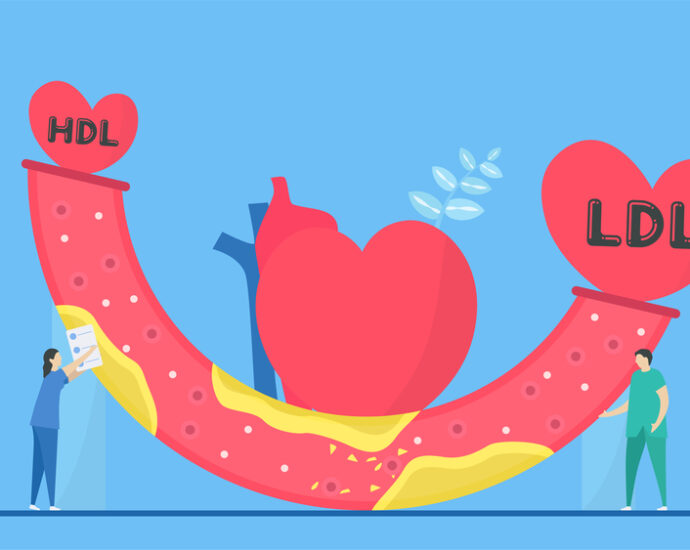
Cholesterol is a waxy, fat-like substance found in every cell of the body. While it often gets a bad rap, cholesterol is essential for various bodily functions, including the production of cell membranes, hormones, and vitamin D. Cholesterol travels through the bloodstream in packages called lipoproteins, which are made up of fat (lipid) on the inside and proteins on the outside.
There are two main types of lipoproteins that carry cholesterol throughout the body:
- Low-Density Lipoprotein (LDL): Often referred to as “bad” cholesterol, LDL carries cholesterol to the cells. High levels of LDL can lead to plaque buildup in the arteries, increasing the risk of heart disease and stroke.
- High-Density Lipoprotein (HDL): Known as “good” cholesterol, HDL carries cholesterol away from the cells and back to the liver, where it can be broken down and removed from the body. Higher levels of HDL are associated with a lower risk of heart disease.
The Importance of Managing Cholesterol Naturally
Managing cholesterol levels is crucial for maintaining heart health and reducing the risk of cardiovascular diseases. While medications are available to help control cholesterol, many people prefer to manage their levels through natural means. This approach can be beneficial for several reasons:
- Fewer Side Effects: Natural methods often come with fewer side effects compared to pharmaceutical drugs.
- Holistic Health: Natural management often involves lifestyle changes that can improve overall health, such as better diet and increased physical activity.
- Long-term Sustainability: Lifestyle changes and natural supplements can be more sustainable in the long run compared to relying solely on medication.
Why Consider Supplements?
While diet and lifestyle changes are foundational for managing cholesterol, supplements can offer additional support. Here are some reasons to consider incorporating supplements into your cholesterol management plan:
- Targeted Nutrients: Supplements can provide specific nutrients that may be lacking in your diet, which are essential for maintaining healthy cholesterol levels.
- Convenience: Supplements can be an easy and convenient way to ensure you’re getting the necessary nutrients without having to make significant changes to your diet.
- Evidence-Based Benefits: Many supplements have been studied extensively and have shown promising results in lowering LDL cholesterol and raising HDL cholesterol.
In the following sections, we will explore the role of diet and lifestyle in cholesterol management, delve into the top natural supplements for better cholesterol, and provide a detailed look at each supplement. By understanding these elements, you can make informed decisions about how to naturally manage your cholesterol levels and improve your overall heart health.
The Role of Diet and Lifestyle in Cholesterol Management
Healthy Eating Habits
A balanced diet is fundamental in managing cholesterol levels. Incorporating foods rich in soluble fiber, healthy fats, and plant sterols can significantly impact your cholesterol profile. Soluble fiber found in oats, barley, beans, and fruits like apples and citrus can help reduce LDL cholesterol by binding to cholesterol in the digestive system and removing it from the body. Healthy fats, particularly unsaturated fats found in olive oil, avocados, and nuts, can help increase HDL cholesterol while lowering LDL cholesterol. Additionally, plant sterols and stanols, naturally occurring substances in fruits, vegetables, nuts, and seeds, can help block the absorption of cholesterol in the intestines.
To optimize your diet for cholesterol management, consider the following tips:
– Avoid trans fats: These are found in many processed foods and can raise LDL cholesterol while lowering HDL cholesterol.
– Choose lean proteins: Opt for fish, skinless poultry, and plant-based proteins like beans and lentils over red and processed meats.
– Incorporate more whole grains: Foods like whole grain bread, quinoa, and brown rice are excellent sources of fiber.
– Snack smartly: Choose fruits, vegetables, and nuts over chips and cookies.
Physical Activity and Its Impact
Regular physical activity is another crucial component in managing cholesterol levels. Exercise can help raise HDL cholesterol while lowering LDL cholesterol and triglycerides. The American Heart Association recommends at least 150 minutes of moderate-intensity aerobic exercise or 75 minutes of vigorous exercise per week.
Here are some ways to incorporate more physical activity into your routine:
– Walking or jogging: Simple and effective, even a brisk 30-minute walk daily can make a difference.
– Strength training: Lifting weights or using resistance bands can help improve muscle mass and metabolism.
– Aerobic exercises: Activities like swimming, cycling, and dancing are excellent for cardiovascular health.
– Everyday activities: Take the stairs instead of the elevator, park further from the entrance, or engage in active hobbies like gardening.
Stress Management and Sleep
Chronic stress and poor sleep can negatively impact cholesterol levels and overall heart health. Stress can lead to unhealthy eating habits, reduced physical activity, and increased levels of cortisol, a hormone that can raise blood cholesterol levels. Similarly, inadequate sleep is associated with higher LDL cholesterol and lower HDL cholesterol.
To manage stress and improve sleep:
– Practice relaxation techniques: Activities like yoga, meditation, and deep-breathing exercises can help reduce stress.
– Maintain a regular sleep schedule: Aim for 7-9 hours of sleep per night and try to go to bed and wake up at the same time every day.
– Create a restful environment: Keep your bedroom cool, dark, and quiet, and avoid screens before bedtime.
– Stay active: Regular physical activity can also help reduce stress and improve sleep quality.
By focusing on healthy eating habits, regular physical activity, and effective stress management, you can take significant steps toward better cholesterol management and overall heart health.
Top Natural Supplements for Better Cholesterol
Omega-3 Fatty Acids
Omega-3 fatty acids are essential fats that have numerous health benefits, including the ability to lower cholesterol levels. These fatty acids are primarily found in fatty fish such as salmon, mackerel, and sardines, as well as in flaxseeds, chia seeds, and walnuts. Omega-3s help reduce triglycerides, lower blood pressure, and decrease the risk of heart disease. They also have anti-inflammatory properties that can benefit overall cardiovascular health. For those who do not consume enough omega-3-rich foods, fish oil supplements are a popular alternative. However, it is crucial to consult with a healthcare provider before starting any supplement regimen, especially if you are on blood-thinning medications.
Plant Sterols and Stanols
Plant sterols and stanols are naturally occurring substances found in various fruits, vegetables, nuts, seeds, and grains. These compounds are structurally similar to cholesterol and work by blocking the absorption of cholesterol in the intestines. This can lead to a reduction in LDL (bad) cholesterol levels. Foods fortified with plant sterols and stanols, such as certain margarines, orange juices, and yogurt products, are also available. Studies suggest that consuming about 2 grams of plant sterols or stanols daily can lower LDL cholesterol by approximately 10%. Always check product labels for the recommended dosage and consult with a healthcare provider for personalized advice.
Soluble Fiber
Soluble fiber is a type of dietary fiber that dissolves in water to form a gel-like substance in the intestines. This gel can bind to cholesterol and bile acids, facilitating their excretion from the body and thereby lowering cholesterol levels. Foods rich in soluble fiber include oats, barley, legumes, apples, citrus fruits, and carrots. Soluble fiber supplements, such as psyllium husk, are also available and can be an effective way to increase fiber intake. Research indicates that consuming 5 to 15 grams of soluble fiber daily can reduce LDL cholesterol by 5% to 10%. Gradually increasing fiber intake and drinking plenty of water can help minimize potential side effects like bloating and gas.
Niacin (Vitamin B3)
Niacin, also known as vitamin B3, is a water-soluble vitamin that has been shown to improve cholesterol levels. It works by reducing the production of LDL cholesterol and triglycerides while increasing HDL (good) cholesterol. Niacin is available in both prescription and over-the-counter forms. However, high doses of niacin can cause side effects such as flushing, itching, and gastrointestinal issues. It can also interact with other medications and exacerbate certain medical conditions. Therefore, it is essential to use niacin under the supervision of a healthcare provider to ensure safe and effective use.
Red Yeast Rice
Red yeast rice is a traditional Chinese medicine made by fermenting rice with a specific type of yeast. It contains monacolin K, a compound chemically identical to the active ingredient in the cholesterol-lowering drug lovastatin. Studies have shown that red yeast rice can effectively lower LDL cholesterol levels. However, the amount of monacolin K can vary significantly between products, and some may contain harmful contaminants like citrinin, which can cause kidney damage. Due to these concerns, it is crucial to choose high-quality red yeast rice supplements and consult with a healthcare provider before use.
By incorporating these natural supplements into your routine, you can take proactive steps toward better cholesterol management. Always consult with a healthcare provider to determine the best approach for your individual health needs.
Detailed Look at Each Supplement
Omega-3 Fatty Acids: Benefits and Sources
Omega-3 fatty acids are essential fats that play a crucial role in heart health. They are known to reduce triglycerides, lower blood pressure, and decrease the risk of heart disease. Omega-3s also have anti-inflammatory properties and can help reduce the growth of plaque in the arteries.
Sources of Omega-3 Fatty Acids:
– Fatty Fish: Salmon, mackerel, herring, tuna, and sardines are rich in omega-3s.
– Plant Sources: Flaxseed, chia seeds, and walnuts.
– Supplements: Fish oil capsules and flaxseed oil are popular supplement forms.
Plant Sterols and Stanols: How They Work
Plant sterols and stanols are naturally occurring substances found in plants. They are structurally similar to cholesterol and help block the absorption of cholesterol in the intestines, thereby lowering LDL (bad) cholesterol levels.
How They Work:
– Mechanism: By competing with cholesterol for absorption in the digestive system, plant sterols and stanols reduce the amount of cholesterol that enters the bloodstream.
– Sources: They are found in small amounts in many fruits, vegetables, nuts, seeds, cereals, legumes, and vegetable oils. They are also added to certain margarines, orange juice, and dietary supplements.
Soluble Fiber: Types and Benefits
Soluble fiber dissolves in water to form a gel-like substance that can help lower cholesterol levels. It works by binding to cholesterol in the digestive system and removing it from the body before it can be absorbed into the bloodstream.
Types of Soluble Fiber:
– Psyllium: Found in fiber supplements and some cereals.
– Beta-Glucan: Found in oats and barley.
– Pectin: Found in fruits like apples, citrus fruits, and strawberries.
Benefits:
– Cholesterol Reduction: Regular intake of soluble fiber can significantly lower LDL cholesterol.
– Digestive Health: It also promotes healthy digestion and can help manage blood sugar levels.
Niacin: Dosage and Precautions
Niacin, also known as Vitamin B3, is a water-soluble vitamin that can help lower LDL cholesterol and raise HDL (good) cholesterol. It is available in both prescription and over-the-counter forms.
Dosage:
– Typical Dosage: The recommended dosage for cholesterol management ranges from 1,000 to 2,000 mg per day, but it should be tailored to individual needs and taken under medical supervision.
Precautions:
– Side Effects: High doses of niacin can cause flushing, itching, and gastrointestinal issues. Long-term use may lead to liver damage.
– Consultation: Always consult with a healthcare provider before starting niacin, especially if you have liver disease, diabetes, or gout.
Red Yeast Rice: Traditional Uses and Modern Benefits
Red yeast rice is a traditional Chinese food and medicine made by fermenting white rice with a specific type of yeast. It contains compounds that are chemically similar to statins, which are used to lower cholesterol.
Traditional Uses:
– Historical Use: Traditionally used to improve digestion and blood circulation.
Modern Benefits:
– Cholesterol Management: Studies have shown that red yeast rice can effectively lower LDL cholesterol levels.
– Caution: Some red yeast rice products contain monacolin K, which is chemically identical to the prescription drug lovastatin. The FDA has ruled that products containing significant amounts of monacolin K are unapproved drugs. Therefore, it’s essential to choose products from reputable sources and consult with a healthcare provider before use.
By understanding the benefits and mechanisms of these supplements, you can make informed decisions about incorporating them into your cholesterol management plan. Always consult with a healthcare provider to ensure these supplements are appropriate for your individual health needs.
How to Choose the Right Supplement for You
Assessing Your Health Needs
Before diving into the world of supplements, it’s crucial to assess your individual health needs. Understanding your specific cholesterol levels—including total cholesterol, LDL (bad cholesterol), HDL (good cholesterol), and triglycerides—can help you determine which supplements might be most beneficial.
Consider any existing health conditions you may have, such as diabetes, high blood pressure, or liver issues, as these can influence which supplements are safe and effective for you. Additionally, take into account your dietary habits and lifestyle. For instance, if you already consume a diet rich in omega-3 fatty acids, you might not need an omega-3 supplement.
Consulting with Healthcare Providers
Consulting with a healthcare provider is a critical step before starting any new supplement regimen. Your doctor can help you understand the potential benefits and risks associated with different supplements. They can also advise you on how a supplement might interact with any medications you are currently taking.
For example, garlic supplements can prolong bleeding and should not be taken with blood-thinning medications like Coumadin. Similarly, red yeast rice contains compounds similar to prescription statins and can have similar side effects. Your healthcare provider can help you navigate these complexities to ensure that your supplement choices are both safe and effective.
Reading Labels and Understanding Dosages
When choosing a supplement, it’s essential to read the labels carefully. Look for products that have been tested for purity and potency. Certifications such as NSF Certified for Sport or Informed Choice can provide some assurance that the product has been tested for contaminants and meets quality standards.
Understanding the recommended dosages is also crucial. For instance, the typical dosage for plant sterols and stanols is around 1.3 grams per day as part of a low-fat, low-cholesterol diet. For soluble fiber, a daily intake of 5-15 grams is generally recommended to help lower LDL cholesterol.
Be cautious of supplements that contain multiple active ingredients, as these can increase the risk of side effects and interactions. Always start with the lowest effective dose and monitor your body’s response.
In summary, choosing the right supplement involves a combination of self-assessment, professional consultation, and careful label reading. By taking these steps, you can make informed decisions that support your journey to better cholesterol management naturally.
Incorporating Supplements into Your Daily Routine
Creating a Supplement Schedule
Incorporating supplements into your daily routine can be a straightforward process if you establish a consistent schedule. Consistency is key to ensuring that you reap the full benefits of the supplements you choose. Here are some tips to help you create an effective supplement schedule:
1. Identify the Best Time of Day: Some supplements are best taken with meals to enhance absorption, while others might be more effective on an empty stomach. For example, omega-3 fatty acids are better absorbed when taken with a meal that contains fat.
2. Set Reminders: Use alarms or smartphone apps to remind you to take your supplements. This can help you develop a habit and ensure you don’t miss a dose.
3. Keep Supplements Visible: Place your supplements in a location where you will see them daily, such as next to your toothbrush or on the kitchen counter.
4. Combine with Daily Routines: Link taking your supplements with another daily activity, like brushing your teeth or having breakfast, to make it a seamless part of your routine.
Combining Supplements with Diet and Exercise
While supplements can play a significant role in managing cholesterol levels, they are most effective when combined with a healthy diet and regular exercise. Here are some strategies to integrate supplements with your overall lifestyle:
1. Balanced Diet: Focus on a diet rich in fruits, vegetables, whole grains, and lean proteins. Foods high in soluble fiber, such as oats, beans, and certain fruits, can enhance the cholesterol-lowering effects of supplements like psyllium.
2. Healthy Fats: Incorporate healthy fats from sources like olive oil, avocados, and nuts. These can complement the benefits of omega-3 supplements.
3. Regular Exercise: Aim for at least 30 minutes of moderate-intensity exercise most days of the week. Activities like walking, cycling, and swimming can help boost HDL (good) cholesterol and lower LDL (bad) cholesterol.
4. Hydration: Drink plenty of water throughout the day, especially if you are taking fiber supplements like psyllium, to prevent digestive issues.
Monitoring Your Progress
Tracking your progress is essential to understand the effectiveness of your supplement regimen and make necessary adjustments. Here are some steps to monitor your progress effectively:
1. Regular Check-Ups: Schedule regular visits with your healthcare provider to monitor your cholesterol levels and overall health. Blood tests can provide concrete data on how well your supplements and lifestyle changes are working.
2. Keep a Journal: Maintain a journal to record your daily supplement intake, diet, exercise, and any changes in your health. This can help you and your healthcare provider identify patterns and make informed decisions.
3. Adjust as Needed: Based on your progress and any side effects, you may need to adjust the dosage or timing of your supplements. Always consult with your healthcare provider before making any changes.
4. Stay Informed: Keep yourself updated with the latest research and recommendations regarding cholesterol management and supplements. This can help you make informed choices and stay motivated.
By creating a structured supplement schedule, combining supplements with a healthy diet and exercise, and diligently monitoring your progress, you can effectively manage your cholesterol levels and improve your overall health.
Conclusion
Recap of Key Points
Throughout this article, we have explored the importance of managing cholesterol levels naturally and the role that diet, lifestyle, and supplements can play in this process. We began by understanding the basics of cholesterol, distinguishing between ‘good’ (HDL) and ‘bad’ (LDL) cholesterol, and recognizing the health risks associated with high cholesterol levels. We then delved into the significance of a balanced diet, regular physical activity, and effective stress management in maintaining healthy cholesterol levels.
The core of our discussion focused on natural supplements that can aid in better cholesterol management. We highlighted the benefits and sources of Omega-3 fatty acids, the cholesterol-lowering effects of plant sterols and stanols, the importance of soluble fiber, the role of Niacin (Vitamin B3), and the traditional and modern benefits of Red Yeast Rice. Each supplement was examined in detail, providing insights into their mechanisms, recommended dosages, and potential precautions.
Encouragement to Take the Natural Path
Taking the natural path to better cholesterol management is not only effective but also sustainable in the long run. By incorporating these natural supplements into your daily routine, alongside a balanced diet and regular exercise, you can significantly improve your cholesterol levels and overall cardiovascular health. It’s important to remember that while supplements can provide substantial benefits, they should complement, not replace, a healthy lifestyle.
Consulting with healthcare providers before starting any new supplement regimen is crucial to ensure it aligns with your individual health needs and conditions. By making informed choices and taking proactive steps, you can take control of your cholesterol levels naturally and enjoy a healthier, more vibrant life.
Additional Resources for Further Reading
For those interested in diving deeper into the topic of cholesterol management and natural supplements, here are some valuable resources:
- ZOE Science & Nutrition Podcast – Episodes featuring experts like Dr. Sarah Berry discussing cholesterol and diet.
- National Center for Biotechnology Information (NCBI) – Research articles on the effects of various supplements on cholesterol levels.
- Mayo Clinic – Comprehensive guides on cholesterol tests and management strategies.
- American Heart Association – Guidelines on healthy fats and their impact on cholesterol.
By leveraging these resources, you can stay informed and make educated decisions about your health. Remember, the journey to better cholesterol management is a marathon, not a sprint. Stay committed, stay informed, and take the natural path to a healthier heart.