
The connection between behavioral and physical health is deeply intertwined, influencing overall well-being and quality of life. Behavioral health encompasses mental health, emotional regulation, and behaviors that impact physical wellness, such as diet, exercise, and substance use. Positive behavioral health practices, like regular exercise and a balanced diet, can enhance physical health by boosting the immune system, improving cardiovascular health, and reducing the risk of chronic diseases. Conversely, poor mental health, including conditions like depression and anxiety, can lead to negative health behaviors, such as smoking, poor diet, and sedentary lifestyles, which increase the risk of physical ailments like heart disease and diabetes. Moreover, chronic physical conditions can exacerbate mental health issues, creating a cyclical relationship where each aspect influences the other. Understanding and addressing this connection is crucial for holistic health care, ensuring both physical and mental health are nurtured for overall wellness.
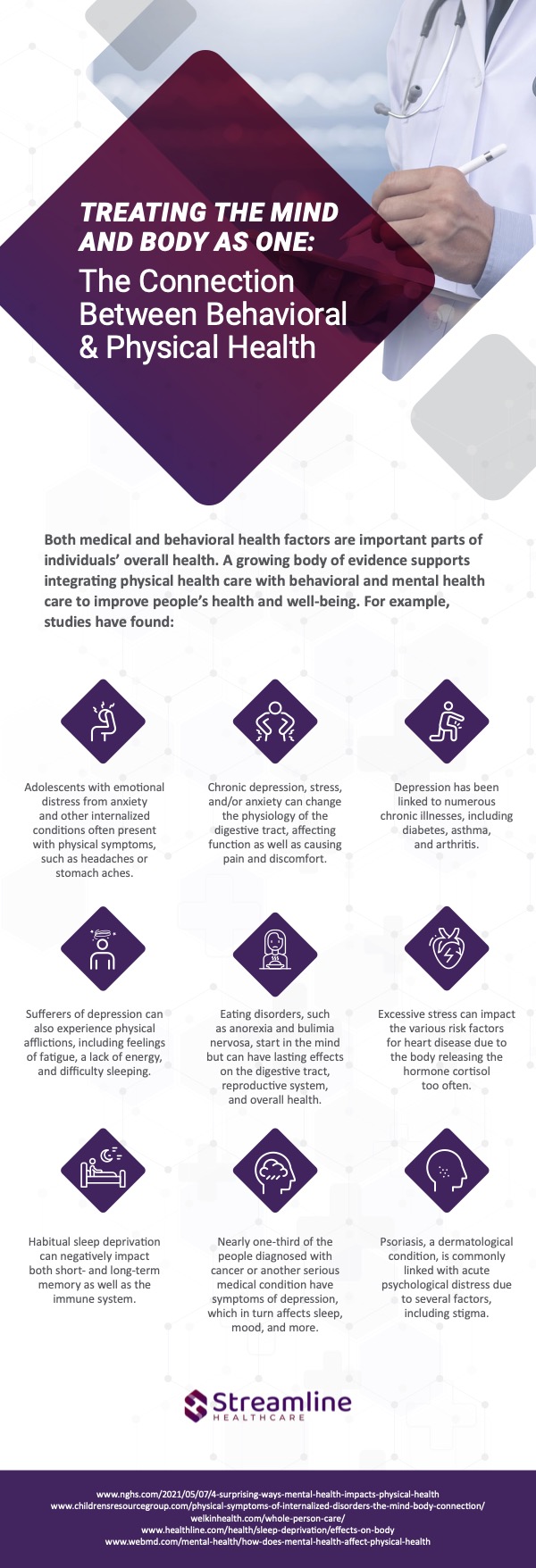
Infographic provided by Streamline Healthcare Solutions, a provider of a ehr platform
Related posts:

Do I Have To Drink Milk To Get Calcium?

Remedies For Severe Neck and Shoulder Pain

Understanding a Fasting Glucose Blood Test: What It Means and Why It's Important

How to Replenish Serotonin Deficiency: The 2021 Complete Guide to Serotonin Boosters

5 Activities That You Should Avoid to Stay Healthy

