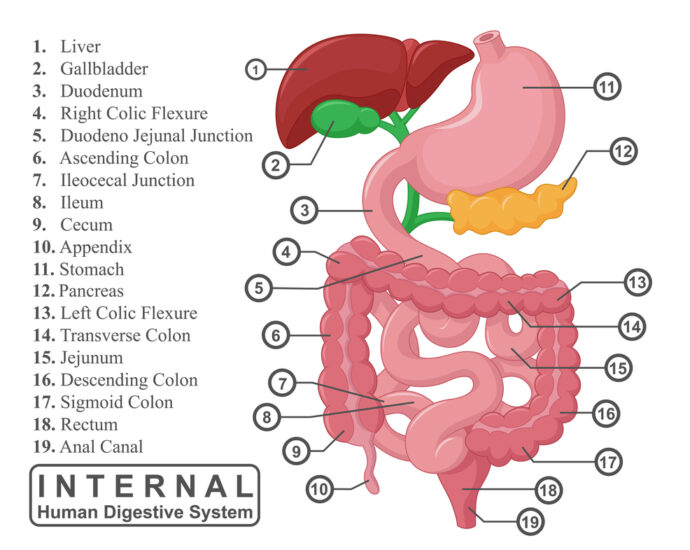
When people think about vital organs, they often focus on the heart, lungs, or kidneys—but the gallbladder plays a surprisingly important role in digestion and overall health. Although it’s small and often overlooked, the gallbladder is essential for processing fats and helping your body absorb nutrients efficiently.
Unfortunately, gallbladder problems are common, especially among adults over 40, women, and those with certain dietary habits. Recognizing the signs of gallbladder trouble early can prevent serious complications. This article explains what the gallbladder does, why it’s important, and how to know when something isn’t right.
Page Contents
What Is the Gallbladder?
The gallbladder is a small, pear-shaped organ located just beneath the liver on the right side of your abdomen. Its main job is to store and concentrate bile, a digestive fluid made by the liver. Bile helps your body break down dietary fats into fatty acids, which are then absorbed by your digestive tract.
Even though it’s only about 3–4 inches long, the gallbladder’s role in digestion is crucial. When you eat—especially foods rich in fat—your gallbladder releases bile into the small intestine through a series of ducts called the biliary tract.
In short:
- Liver produces bile.
- Gallbladder stores and concentrates bile.
- Small intestine receives bile to digest fats.
Without bile, your body would struggle to absorb fat-soluble vitamins like A, D, E, and K.
How the Gallbladder Works in Digestion
Here’s what happens step by step:
- Bile Production: Your liver constantly produces bile, which is made up of water, cholesterol, bile salts, and bilirubin (a waste product).
- Storage and Concentration: The gallbladder stores this bile between meals and concentrates it by removing water.
- Release During Meals: When you eat fatty foods—like cheese, fried dishes, or avocado—the hormone cholecystokinin (CCK) signals the gallbladder to contract.
- Bile Flow: The bile travels through the common bile duct into the small intestine, where it emulsifies fats, breaking them down into smaller droplets.
This process allows digestive enzymes to do their job effectively. A healthy gallbladder ensures fats are digested smoothly, preventing bloating, discomfort, and nutrient deficiencies.
Common Gallbladder Problems
While the gallbladder can function well for years without issue, several conditions can interfere with its performance. The most common problems include:
- Gallstones (Cholelithiasis)
Gallstones are hardened deposits of bile that can form when there’s too much cholesterol or bilirubin in the bile, or if the gallbladder doesn’t empty properly.
- Size: They can range from tiny grains to golf-ball-sized stones.
- Symptoms: Many people have silent gallstones with no symptoms. However, if a stone blocks a duct, it can cause intense pain known as a gallbladder attack.
- Cholecystitis (Gallbladder Inflammation)
This condition occurs when a gallstone blocks the cystic duct, leading to inflammation or infection. It can cause severe pain and requires medical attention. Chronic inflammation can lead to scarring or shrinking of the gallbladder.
- Biliary Dyskinesia
This is when the gallbladder doesn’t contract properly, often due to muscle or nerve dysfunction. People with this condition may experience gallbladder pain even without gallstones.
- Choledocholithiasis (Common Bile Duct Stones)
Sometimes, gallstones move from the gallbladder into the bile duct, blocking bile flow to the intestine. This can lead to serious infections and jaundice (yellowing of the skin and eyes).
- Gallbladder Cancer
Although rare, gallbladder cancer can develop in chronic cases of gallstone irritation or inflammation. Early symptoms are often vague, making it crucial to monitor changes and seek timely evaluation.
Signs Something Might Be Wrong with Your Gallbladder
Gallbladder issues often start subtly. Recognizing symptoms early can prevent complications like infection or organ damage. Here are the most common signs that something isn’t right:
- Abdominal Pain (Especially After Eating)
- Sharp or cramping pain in the upper right abdomen is the most telling sign of gallbladder trouble.
- Pain may radiate to your right shoulder or back.
- It often strikes after eating fatty or greasy foods and can last from minutes to several hours.
- Nausea and Vomiting
Persistent nausea, especially after eating, may suggest your gallbladder isn’t releasing bile properly.
- Bloating and Gas
Poor bile flow can make it harder to digest fats, causing bloating, excessive gas, and feelings of fullness even after light meals.
- Indigestion and Heartburn
Chronic indigestion, belching, or acid reflux can sometimes be linked to gallbladder dysfunction rather than stomach acid alone.
- Changes in Stool or Urine
- Clay-colored stool can indicate bile flow blockage.
- Dark urine may suggest excess bilirubin buildup in the bloodstream.
- Fever or Chills
If inflammation or infection is present, you may experience fever, chills, or sweating—signs that require immediate medical evaluation.
- Jaundice
Yellowing of the skin or eyes suggests bile is backing up into your bloodstream—a possible sign of a blocked duct or serious liver-gallbladder issue.
Risk Factors for Gallbladder Problems
Some people are more likely to develop gallstones or gallbladder disease. Common risk factors include:
- Being female (especially due to hormonal influences of estrogen)
- Age over 40
- Being overweight or obese
- Rapid weight loss or fasting diets
- Pregnancy
- Family history of gallstones
- High-fat, low-fiber diet
- Certain medical conditions like diabetes or liver disease
This combination of factors is often remembered by doctors as the “Four F’s”: Female, Forty, Fertile, and Fat.
How Gallbladder Problems Are Diagnosed
If your doctor suspects a gallbladder issue, they may order tests such as:
- Ultrasound: The most common test to detect gallstones or inflammation.
- HIDA Scan: Checks how well your gallbladder is functioning by tracking the flow of bile.
- Blood Tests: Measure liver function and detect signs of infection or bile blockage.
- MRI or CT Scan: Used to identify structural problems or stones in the bile ducts.
Treatment Options
Treatment depends on the underlying issue:
- Lifestyle and Diet Changes: Avoid fatty, fried, and processed foods. Maintain a healthy weight and stay hydrated.
- Medications: In mild cases, medications may help dissolve small gallstones, though this is rare.
- Surgery (Cholecystectomy): If gallstones or inflammation cause recurring pain, doctors may recommend gallbladder removal. This is one of the most common surgical procedures and is typically performed laparoscopically.
After gallbladder removal, the liver still produces bile, but it drips continuously into the intestine. Most people live normal, healthy lives without a gallbladder, though some may need to adjust their diet.
When to See a Doctor
Seek medical attention if you experience:
- Severe abdominal pain that lasts longer than a few hours
- Pain accompanied by fever, nausea, or vomiting
- Yellowing of your skin or eyes
- Unexplained weight loss or fatigue
Prompt evaluation can prevent complications like infection, bile duct obstruction, or pancreatitis.
The Bottom Line
The gallbladder may be small, but it plays a powerful role in digestion. When functioning properly, it helps your body break down and absorb fats efficiently. But when things go wrong—like gallstones or inflammation—the symptoms can be painful and potentially serious.
Understanding how your gallbladder works and recognizing warning signs early can help you take charge of your digestive health. With the right diet, regular checkups, and prompt medical care when needed, you can keep your gallbladder—and your entire digestive system—running smoothly.
READ MORE: What Does a Gastroenterologist Do and When Should You See One?
Sources:
https://newsinhealth.nih.gov/2015/02/galled-gallbladder
https://www.hopkinsmedicine.org/health/conditions-and-diseases/gallbladder-disease
https://pmc.ncbi.nlm.nih.gov/articles/PMC8802735/