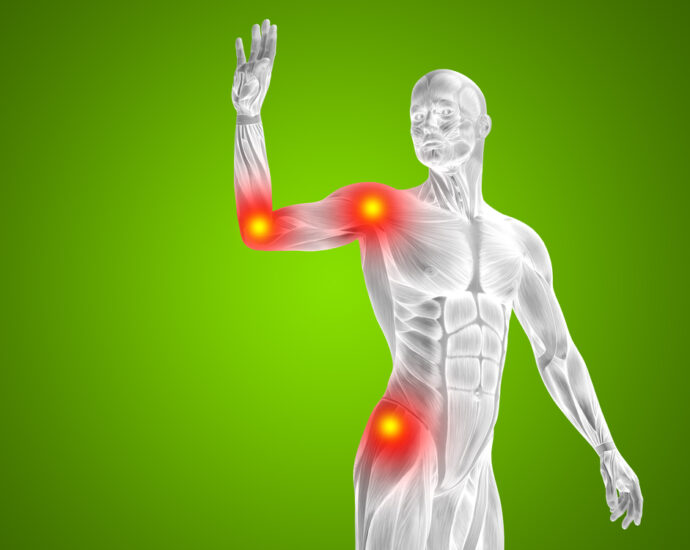
Joint pain is one of the most common health complaints among adults, affecting millions of people worldwide. Whether it’s a dull ache in your knees, stiffness in your fingers, or swelling in your shoulders, joint discomfort can significantly impact your mobility, work, and quality of life.
While occasional soreness after physical activity is normal, persistent or worsening joint pain may signal an underlying medical condition that needs attention. Understanding the causes, diagnostic process, and treatment options can help you take control of your symptoms and protect your joint health for the long term.
Page Contents
What Is Joint Pain?
A joint is where two or more bones meet, allowing movement and flexibility. Joints are surrounded by cartilage, ligaments, tendons, and synovial fluid — all of which work together to cushion bones and prevent friction.
When any of these components are damaged or inflamed, pain and stiffness can occur. Joint pain (also called arthralgia) can affect a single joint — such as a knee, hip, or shoulder — or multiple joints throughout the body.
Symptoms can vary depending on the cause but often include:
- Swelling or warmth around the joint
- Redness or tenderness
- Limited range of motion
- Stiffness, especially after rest or in the morning
- A grinding, popping, or clicking sensation during movement
Common Causes of Joint Pain
Joint pain can arise from many different sources — from temporary injuries to chronic diseases. Here are some of the most common causes:
- Osteoarthritis (Degenerative Joint Disease)
The most frequent cause of joint pain, osteoarthritis (OA), occurs when the protective cartilage that cushions bones wears down over time. It’s most common in weight-bearing joints such as the knees, hips, and spine.
Key symptoms:
- Pain that worsens with movement
- Morning stiffness lasting less than 30 minutes
- Crunching or grating sounds (crepitus)
Risk factors: Aging, obesity, joint injury, and genetics.
- Rheumatoid Arthritis (RA)
Rheumatoid arthritis is an autoimmune disorder where the immune system mistakenly attacks the joint lining (synovium), leading to inflammation and damage.
Key symptoms:
- Symmetrical pain (both sides of the body)
- Prolonged morning stiffness
- Swollen, warm joints
- Fatigue and low-grade fever
RA can affect smaller joints first (like fingers and wrists) and progress to larger ones if untreated.
- Gout
Gout is caused by the buildup of uric acid crystals in the joints, leading to sudden and intense pain — often in the big toe.
Key symptoms:
- Severe, stabbing joint pain
- Swelling and redness
- Attacks that start suddenly, often at night
Triggers: Red meat, alcohol, shellfish, and sugary drinks can increase uric acid levels.
- Lupus (Systemic Lupus Erythematosus)
Like RA, lupus is an autoimmune disease that can cause widespread inflammation, including in the joints.
Key symptoms:
- Aching or swollen joints
- Rashes, particularly on the face (butterfly rash)
- Fatigue and fever
- Bursitis and Tendonitis
Bursitis occurs when small fluid-filled sacs (bursae) that cushion the joints become inflamed, while tendonitis involves inflammation of the tendons that attach muscles to bones.
Commonly affected areas: Shoulders, elbows, hips, and knees.
Key symptoms:
- Pain when moving the affected joint
- Tenderness and mild swelling
These conditions often develop from repetitive motion or overuse.
- Injury or Overuse
Sports injuries, sprains, or repetitive strain can cause acute joint pain. Damage to ligaments, tendons, or cartilage may lead to long-term problems if not properly treated.
Examples:
- ACL tears in the knee
- Rotator cuff injuries in the shoulder
- Meniscus tears
- Infectious (Septic) Arthritis
When bacteria or viruses infect a joint, it can cause septic arthritis, which requires urgent medical attention.
Key symptoms:
- Rapid swelling
- Severe pain
- Fever and chills
This type of arthritis can destroy joint tissue quickly if untreated.
- Fibromyalgia
Although not a joint disease, fibromyalgia can cause widespread pain and tenderness that affects joints, muscles, and connective tissues.
Other symptoms: Fatigue, sleep disturbances, and brain fog.
- Psoriatic Arthritis
A form of arthritis linked to psoriasis (a skin condition), psoriatic arthritis causes joint pain, stiffness, and swelling. It can affect any part of the body, including the spine and fingers.
- Weight and Lifestyle Factors
Excess body weight increases pressure on joints, especially the knees, hips, and lower back. Sedentary lifestyles, poor posture, and lack of flexibility also contribute to joint stiffness and pain.
How Joint Pain Is Diagnosed
Because joint pain has many possible causes, proper diagnosis is essential for effective treatment. Your healthcare provider will likely take the following steps:
- Medical History and Physical Exam
Your doctor will ask about your symptoms, lifestyle, medical history, and any family history of arthritis or autoimmune disorders. They’ll examine the affected joint for swelling, tenderness, redness, or range of motion.
- Imaging Tests
- X-rays can reveal joint damage, bone spurs, or narrowing of joint space (a sign of osteoarthritis).
- MRI or CT scans provide detailed images of soft tissue, cartilage, and ligaments.
- Ultrasound can detect inflammation or fluid buildup around joints.
- Laboratory Tests
- Blood tests can identify autoimmune markers (like rheumatoid factor or ANA for lupus) and uric acid levels (for gout).
- Joint fluid analysis involves drawing fluid from the joint with a needle to check for infection, crystals, or inflammation.
Treatment Options for Joint Pain
Treatment depends on the underlying cause, severity, and how much the pain affects your daily life. Most cases can be managed through a combination of lifestyle changes, medications, and physical therapy.
- Medications
- NSAIDs (Nonsteroidal Anti-Inflammatory Drugs): Such as ibuprofen or naproxen, reduce pain and inflammation.
- Corticosteroids: May be taken orally or injected into the joint to control inflammation.
- Disease-Modifying Antirheumatic Drugs (DMARDs): Used for autoimmune conditions like rheumatoid arthritis to slow disease progression.
- Colchicine or Allopurinol: Help manage gout by reducing uric acid levels.
- Antibiotics: Prescribed for bacterial (septic) arthritis.
- Physical Therapy and Exercise
A structured physical therapy plan can:
- Improve range of motion and flexibility
- Strengthen muscles supporting the joint
- Reduce stiffness and pain
Low-impact activities like swimming, cycling, or yoga are ideal for maintaining joint health without excessive strain.
- Weight Management
Maintaining a healthy weight reduces stress on joints, especially the knees and hips. Even losing 5–10% of body weight can significantly decrease pain and improve mobility.
- Heat and Cold Therapy
- Heat: Helps relax stiff joints and improve blood flow.
- Cold: Reduces inflammation and numbs sharp pain after activity.
Alternating between heat and ice packs can provide effective relief.
- Assistive Devices
Braces, canes, or orthotic inserts can relieve pressure on joints and improve stability.
- Alternative and Natural Treatments
Some people find relief with complementary therapies such as:
- Acupuncture
- Massage therapy
- Supplements (like glucosamine, chondroitin, or omega-3 fatty acids)
Always consult your doctor before trying new supplements or treatments.
- Surgical Options
When conservative treatments fail, surgery may be necessary, such as:
- Arthroscopy: Minimally invasive procedure to repair joint damage.
- Joint replacement (Arthroplasty): Damaged joints (like hips or knees) are replaced with artificial implants.
- Joint fusion (Arthrodesis): Used for severe arthritis in smaller joints.
Prevention: Protecting Your Joints for Life
You can lower your risk of joint pain and damage by adopting simple, joint-friendly habits:
- Maintain a healthy weight
- Stay active with low-impact exercise
- Stretch regularly to improve flexibility
- Practice good posture
- Avoid repetitive overuse injuries
- Eat an anti-inflammatory diet rich in fruits, vegetables, and omega-3 fats
The Bottom Line
Joint pain is a common but often manageable problem. Whether caused by arthritis, injury, or inflammation, understanding the underlying cause is the first step toward effective treatment.
With early diagnosis, proper care, and healthy lifestyle choices, most people can reduce pain, maintain mobility, and prevent further joint damage — leading to a more active, pain-free life.
If your joint pain is severe, persistent, or accompanied by swelling, redness, or fever, don’t ignore it. See a healthcare provider for proper evaluation and treatment — your joints will thank you later.
READ MORE: What Is a Physical Therapist? Understanding Their Role, Treatments, and When to See One
Sources:
https://www.wayneunc.org/wellness/health-talk-blog/health-talk/2021/7-reasons-your-joints-may-ache/
https://healthsurgeon.com/calculate/ideal-healthy-weight/
https://www.arthritis.org/health-wellness/healthy-living/managing-pain/joint-protection/16-joint-protection-tips